
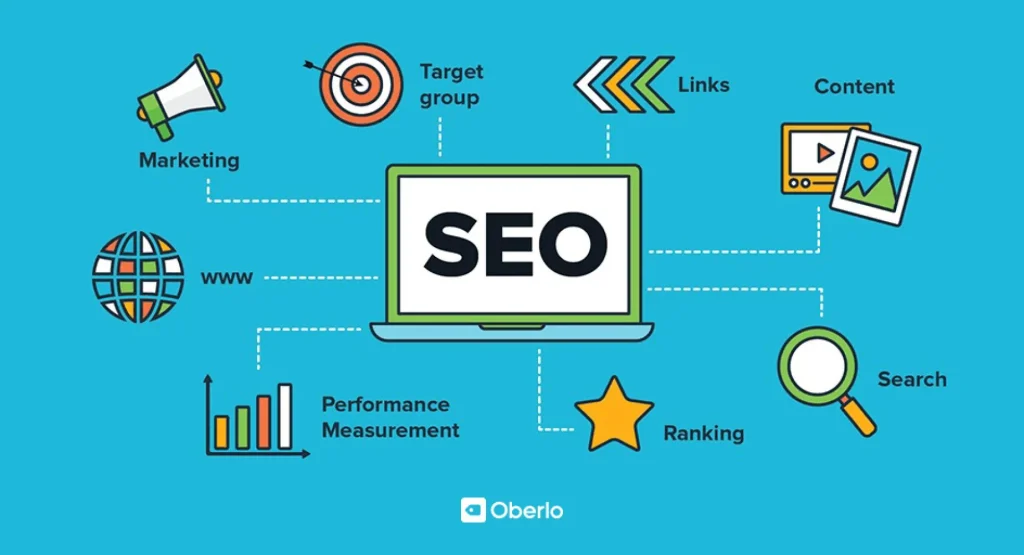
Have you ever searched for something on Google and clicked one of the websites appearing in the search results? Those websites may have used search engine optimization (SEO) to help search engines understand their content and make it easier for people to discover.
For businesses, bloggers, and website owners, appearing in relevant search results can be an important way to attract visitors who are already looking for information, products, or services.
But what exactly is SEO, how does it work, and why does it matter?
In this beginner-friendly guide, you will learn the fundamentals of SEO, its main types, and the practical steps you can take to improve your website.
What Is SEO?
SEO stands for Search Engine Optimization. It is the process of improving a website’s content, structure, and overall search experience to help search engines understand its pages and help users discover relevant information through organic search results.
Organic search results are unpaid listings. Unlike paid search advertisements, you do not pay Google for every click on an organic result.
However, SEO requires time, effort, research, and ongoing maintenance. There is no guarantee that a page will rank in a particular position.
For example, if you publish an article about Facebook Ads for beginners, SEO can help you make the article useful, relevant to the topic, and easier for search engines and readers to understand.
How Does SEO Work?
Search engines use automated systems to discover, understand, and organize web pages. Google describes its core search process through three main stages.
1. Crawling
Search engines discover pages by following links and using other discovery methods.
If a search engine can access your website, it may discover your new blog posts through internal links, sitemaps, or links from other websites.
2. Indexing
After discovering a page, a search engine may analyze its content and other information to determine whether it should be included in its index.
A page is not guaranteed to be indexed simply because it exists online.
3. Ranking and Serving Results
When someone performs a search, Google uses many signals and systems to identify results that are relevant and useful for the query.
The results can vary according to the search, context, and other factors.
Important: Getting a page indexed does not guarantee that it will rank highly. SEO aims to improve the quality, relevance, accessibility, and usefulness of your website.
What Are the Main Types of SEO?
SEO is commonly divided into several areas.
1. On-Page SEO
On-page SEO involves improving elements on your website to help users and search engines understand your content.
Examples include:
- Writing clear and descriptive page titles.
- Using relevant headings.
- Creating helpful, original content.
- Adding descriptive image alt text where appropriate.
- Using meaningful internal links.
- Naturally incorporating relevant search terms.
For example, an article titled “How to Set Up Your First Meta Ads Campaign” communicates its subject more clearly than a vague title such as “My New Article.”
2. Technical SEO
Technical SEO focuses on helping search engines access, crawl, understand, and index your website.
Important areas include:
- Website crawlability and indexability.
- XML sitemaps.
- Canonical URLs.
- Mobile usability.
- Page loading performance.
- HTTPS security.
- Appropriate handling of redirects and broken links.
You do not need to master every technical concept on your first day. Start by ensuring your website works properly and that important pages can be accessed by users and search engines.
3. Off-Page SEO
Off-page SEO includes activities outside your website that can support its visibility and reputation.
Examples include earning relevant backlinks, building professional relationships, and getting your content referenced by reputable websites.
Quality matters more than simply collecting links. Buying manipulative links or participating in link schemes can violate search engine spam policies.
4. Local SEO
Local SEO helps businesses improve their visibility for relevant searches connected to a geographic area.
It can involve maintaining an accurate Google Business Profile, providing consistent business information, collecting genuine customer reviews, and creating useful local content.
This is particularly relevant to businesses serving customers in specific cities or regions.
Why Is SEO Important?
SEO can help your website become more discoverable when people search for topics related to your business.
Its potential benefits include attracting relevant organic visitors, answering customer questions, building credibility, and supporting long-term content marketing.
For example, a digital marketing blog could publish useful guides about keyword research, WordPress, Meta Ads, and Google Ads. Over time, these articles may help the website reach readers searching for those topics.
However, SEO results depend on competition, content quality, website accessibility, search demand, and many other factors.
How to Start SEO for Your Website
If you are new to SEO, follow these practical steps.
- Choose a clear topic: Decide what your page should help readers understand or accomplish.
- Research search terms: Explore the words and questions your intended audience uses.
- Create useful content: Answer the main question clearly and include practical examples.
- Optimize your page title: Write a concise, descriptive title that reflects the content.
- Organize your headings: Use headings to make the article easy to scan.
- Add relevant internal links: Connect related articles so readers can explore your website.
- Check technical basics: Ensure your pages load properly and are accessible on mobile devices.
- Measure performance: Use Google Search Console to monitor search queries, impressions, clicks, and indexing information.
SEO is an ongoing process. Review your results and improve pages where you can provide additional value.
Conclusion
SEO helps website owners improve their content and make it easier for search engines and people to discover relevant information.
By learning on-page SEO, technical SEO, off-page SEO, and local SEO, you can build a strong foundation for your website.
Start with useful content, clear website structure, and a good user experience. Rather than chasing quick ranking tricks, focus on helping your audience find reliable answers to their questions.