
When businesses want to attract visitors from Google, two common options are search engine optimization (SEO) and Google Ads.
Both can help people discover a website, but they work differently.
SEO focuses on improving a website’s visibility in organic search results. Google Ads allows advertisers to pay for eligible advertising placements, including sponsored results on Google Search.
Which option should your business choose? Should you invest in SEO, launch paid search campaigns, or combine both?
Let’s compare the two approaches.
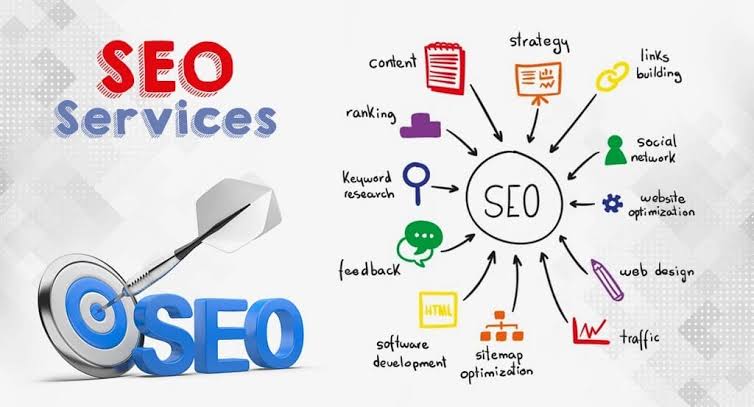
What Is SEO?
SEO is the process of improving website content, structure, accessibility, and other relevant factors to help search engines understand pages and users discover them through organic results.
For example, a digital marketing agency could publish a detailed guide about WordPress SEO. If the article is useful and competitive for relevant queries, it may earn organic search visibility.
You do not pay Google for each organic click, but creating and maintaining quality content still requires time and resources.
What Is Google Ads?
Google Ads is Google’s advertising platform. With Search campaigns, advertisers can compete to display ads for relevant search queries.
For example, a website development company could create a search campaign targeting relevant searches from people looking for website development services.
Advertisers configure campaign settings, targeting, bidding, budgets, and advertisements. Actual ad delivery depends on factors such as eligibility, competition, and auction outcomes.
Paid placements are distinct from organic search listings.
SEO vs. Google Ads: Key Differences
| Factor | SEO | Google Ads |
|---|---|---|
| Search placement | Organic results | Paid advertising placements |
| Payment model | No payment per organic click to Google | Often uses pay-per-click bidding for Search campaigns |
| Initial visibility | Can take time to build | Ads may begin serving after setup, approval, and eligibility checks |
| Long-term potential | Pages may continue attracting traffic over time | Traffic from a campaign generally depends on continued ad delivery |
| Control | Less control over exact rankings | More control over budget, bids, targeting, and ad messaging |
| Content requirements | Useful content and accessible pages are important | Relevant ads and landing pages are important |
| Competition | Compete for organic visibility | Compete in advertising auctions |
| Best suited for | Building organic visibility over time | Promoting offers and capturing relevant demand through paid placements |
Neither channel guarantees traffic, leads, or sales.
1. Which Is More Affordable?
The answer depends on your business, competition, resources, and objectives.
SEO does not charge you for organic clicks, but it may involve content writing, technical improvements, research tools, and professional support.
Google Ads requires an advertising budget. Costs can vary depending on competition, location, keyword demand, bidding, and campaign quality.
For SEO, evaluate the resources required to earn and maintain organic traffic. For Google Ads, evaluate advertising spend alongside conversion quality, customer acquisition cost, and revenue.
A low cost per click does not automatically mean a profitable campaign.
2. Which Can Deliver Results Faster?
Google Ads can potentially provide visibility soon after a campaign is approved and becomes eligible to serve.
SEO generally requires time for search engines to discover, index, and evaluate pages, and for the pages to earn competitive visibility.
However, neither timeline is guaranteed. A new paid campaign may struggle to convert, while a well-targeted existing page may already attract organic traffic.
If your business needs to promote a time-sensitive offer, paid advertising may be useful. If you want to build an ongoing resource that answers customer questions, SEO may be valuable.
3. Which Is Better for Long-Term Growth?
SEO can help businesses build a collection of useful pages that continue attracting relevant visitors over time.
For example, a marketing blog could publish guides on keyword research, technical SEO, and website optimization. These articles may serve readers long after publication if they remain relevant and competitive.
Google Ads can also support long-term marketing, especially when campaigns consistently generate profitable results. However, paid traffic usually depends on continued campaign funding and eligibility.
A sustainable strategy may combine both channels.
4. Can SEO and Google Ads Work Together?
Yes. They can complement each other.
Consider a web development agency that wants to attract small business clients.
It could:
- Use Google Ads to promote services to people searching for relevant solutions.
- Publish SEO articles that answer common questions about website development.
- Analyze search terms and customer questions to identify useful content opportunities.
- Improve landing pages using insights from visitor behavior.
- Measure leads, qualified inquiries, and sales across both channels.
Search query reports and organic search data may provide useful insights, but paid and organic data are not interchangeable. Evaluate each channel according to its role.
Which Strategy Should You Choose?
Choose SEO if you want to build organic search visibility through useful content and website improvements over time.
Consider Google Ads if you need paid exposure for relevant searches and have a budget to test campaigns.
Consider both if your business can support the required investment and measure the results effectively.
Your choice should reflect your customers’ search behavior, the competitiveness of your market, and the value of a successful conversion.
Conclusion
SEO and Google Ads are different approaches to attracting search traffic.
SEO focuses on earning organic visibility, while Google Ads provides paid advertising opportunities. One is not automatically better than the other.
Start with a clear business goal, understand your audience, and evaluate the resources available. A carefully planned combination of organic and paid search may offer the right balance for your business.