
Choosing the right advertising platform can make a significant difference to your marketing strategy.
Two widely used options are Meta Ads and Google Ads. Both allow businesses to promote their products and services, but they reach potential customers in different ways.
Meta Ads can help businesses introduce offers to audiences across social platforms, while Google Search Ads can help businesses reach people actively searching for relevant products or services.
So, which platform is better?
The answer depends on your audience, business objectives, customer journey, and advertising budget.
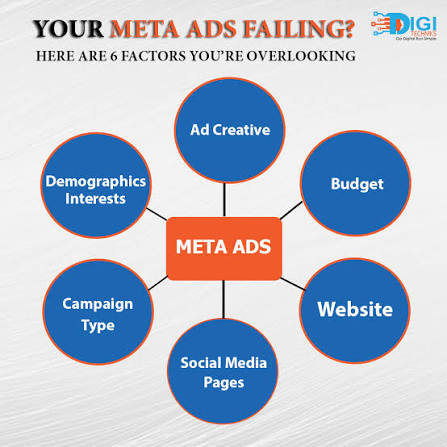
What Are Meta Ads?
Meta Ads are advertisements managed through Meta’s advertising tools. Depending on the campaign, ads can appear on Facebook, Instagram, and other eligible placements.
Businesses can use Meta Ads for objectives such as awareness, engagement, lead generation, app promotion, and sales.
For example, a travel agency could show an Umrah package advertisement to relevant audiences who may be interested in learning more about available packages.
The person viewing the advertisement may not have been actively searching for an Umrah package at that moment. The advertisement introduces the offer to them.
What Are Google Ads?
Google Ads is Google’s online advertising platform. It supports several campaign types, including Search, Display, Shopping, Video, and other eligible formats.
Google Search Ads can appear when users search for relevant terms on Google, subject to the campaign’s targeting, auction, and eligibility rules.
For example, a person searching for “Umrah packages from Mumbai” may see a relevant travel agency advertisement.
This creates an opportunity to reach people who are already expressing interest through their search behavior.
Meta Ads vs. Google Ads: Key Differences
| Feature | Meta Ads | Google Ads |
|---|---|---|
| Main advertising approach | Often introduces offers through social platforms | Search ads can capture existing search demand |
| Common platforms | Facebook, Instagram, and other eligible placements | Google Search, YouTube, Display, Shopping, and more |
| Audience approach | Audience and behavioral signals, eligible custom audiences, and other options | Keywords and search intent for Search campaigns; other targeting options for other campaign types |
| Creative formats | Images, videos, carousels, and other eligible formats | Text ads, shopping formats, video, display, and other formats |
| Lead generation | Supported forms, messaging, and website destinations | Lead forms where supported, calls, and website conversions |
| Common use cases | Awareness, demand creation, retargeting, and social lead generation | Capturing search demand, product searches, and service inquiries |
| Cost model | Varies by objective, auction, and campaign setup | Varies by campaign type, bidding, competition, and auction |
| Best choice | Depends on the audience and objective | Depends on the audience and objective |
Neither platform is universally cheaper or better. Costs must be evaluated alongside conversion quality and business results.
1. Audience Targeting vs. Search Intent
One of the most important differences is how businesses reach potential customers.
Meta Ads can introduce a product or service to people based on eligible audience signals and campaign settings.
Google Search Ads can reach people who enter relevant search queries.
Example: Imagine you own a web development agency.
On Meta, you might promote a website redesign service to a suitable business audience.
On Google Search, you might advertise when someone searches for “website developer for small business.”
The first approach can introduce the service to potential customers. The second can capture demand from people actively looking for a solution.
2. Which Platform Is Better for Lead Generation?
Both platforms can generate leads.
Meta Ads may be useful for offers that can be explained through engaging creative content, such as travel packages, educational courses, or consultations.
Google Search Ads may be useful when customers actively search for a specific service, such as emergency repairs, professional services, or website development.
However, campaign quality matters more than the platform alone.
A campaign with a low cost per lead may still perform poorly if the leads are irrelevant or never become customers.
Compare platforms using qualified leads, conversion rates, customer acquisition costs, and revenue.
3. Which Platform Is More Affordable?
There is no reliable universal answer.
Your advertising costs can vary according to competition, audience, location, seasonality, campaign objective, bidding strategy, and offer.
Meta Ads may produce inexpensive engagement or leads in some situations, while Google Search Ads may deliver valuable inquiries from high-intent searches in others.
Instead of asking only which platform has cheaper clicks, ask:
- How much does each qualified lead cost?
- How many leads become customers?
- How much revenue does each campaign generate?
- Is the final acquisition cost sustainable for the business?
These questions help you make a more informed decision.
4. Can You Use Both Platforms Together?
Yes. In some businesses, using both platforms can create a more complete marketing strategy.
For example:
- Use Meta Ads to introduce a service and generate awareness.
- Use Google Search Ads to reach people searching for that service.
- Use eligible retargeting audiences to reconnect with previous visitors.
- Measure leads, sales, and customer acquisition costs across the customer journey.
This approach requires suitable tracking, budget planning, and careful measurement. Do not assume that every conversion can be attributed to a single platform.
Which Platform Should You Choose?
Choose Meta Ads when your offer benefits from visual storytelling, social discovery, or audience-based promotion.
Consider Google Search Ads when people already search for the product or service you provide and relevant search demand exists.
Consider both when your budget, tracking, and business goals support a coordinated strategy.
Conclusion
Meta Ads and Google Ads solve different advertising challenges. Meta can help introduce and promote offers across social platforms, while Google Search Ads can capture demand from people searching for relevant solutions.
The best platform is the one that reaches your potential customers effectively and produces sustainable business results.
Start with your audience and objective, test a suitable campaign, and make decisions based on conversion quality rather than clicks alone.