
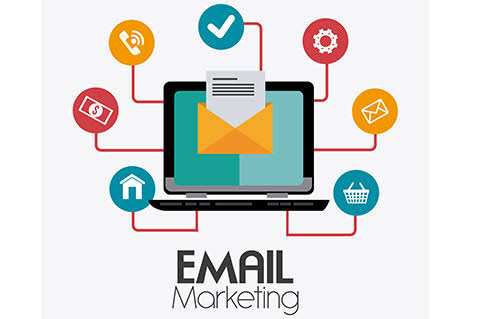
An email list gives you a way to communicate with people who have chosen to receive updates from your business.
For bloggers, it can help bring readers back to new articles. For service businesses, it can support educational follow-ups and relevant offers. For online stores, it can help customers learn about new products and promotions.
But building a useful email list is not simply about collecting as many addresses as possible.
A smaller list of relevant, interested subscribers may be more valuable than a large list of people who never wanted your emails in the first place.
Here is how to build an email list from scratch.
Step 1: Define Who You Want to Attract
Before creating a signup form, identify the people who are most likely to benefit from your content.
Ask yourself:
- What problems does my audience want to solve?
- What information would they find useful?
- What topics are relevant to my products or services?
- Why would someone want to hear from my business regularly?
For example, a digital marketing blog could target beginners interested in SEO, Google Ads, Meta Ads, WordPress, and email marketing.
Understanding your audience makes it easier to create a relevant signup offer.
Step 2: Give People a Reason to Subscribe
People are more likely to consider subscribing when the benefit is clear.
You could offer:
- A practical checklist.
- A beginner’s guide.
- A downloadable worksheet.
- A short email course.
- A useful collection of resources.
- Regular educational articles.
For example, a digital marketing website could offer a checklist titled “10 Things to Check Before Launching Your First Google Ads Campaign.”
Make sure the resource provides genuine value and matches the expectations established on your signup form.
Step 3: Create a Simple Signup Form
A signup form should explain what people are subscribing to and make the process easy.
Useful elements include:
- A clear headline.
- A short explanation of the benefit.
- An email address field.
- A visible subscribe button.
- Appropriate consent language.
- A privacy notice where required.
Avoid asking for unnecessary information. If you only need an email address to send a newsletter, requiring several additional fields may create friction.
Make sure subscribers understand what kinds of messages they will receive.
Step 4: Place Your Signup Form Where It Makes Sense
Your signup form should be visible when visitors have a reason to subscribe.
Consider placing it in relevant locations, such as:
Website Homepage
Introduce your newsletter and explain why it may be useful to visitors.
Blog Articles
Add a relevant signup invitation after an educational article or near the end of the content.
For example, an article about SEO basics could invite readers to receive more beginner-friendly digital marketing guides.
Dedicated Landing Page
Create a focused page for your lead magnet or newsletter. Explain the benefit clearly and remove distractions that do not support the signup goal.
Resource Pages
If your website offers downloadable guides or educational resources, provide a suitable signup experience that clearly explains any conditions for accessing the resource.
Do not obscure important terms or make unsubscribing unnecessarily difficult.
Step 5: Use Social Media to Attract Subscribers
Social media can help introduce your newsletter to people who are interested in your content.
You could:
- Share useful excerpts from your articles.
- Explain what subscribers receive.
- Promote a relevant free resource.
- Add a signup link to your profile where supported.
- Publish educational content related to your newsletter.
Avoid repeatedly posting generic requests to subscribe. Explain the specific benefit instead.
Also, do not assume that someone who follows your social media page has automatically agreed to receive marketing emails.
Step 6: Create a Welcome Email
After someone subscribes, a welcome email can confirm their subscription and set expectations.
A useful welcome email might include:
Subject: Welcome! Here’s What You Can Expect
Opening: Thank the subscriber for joining.
Main content: Explain what types of content you share and how often they can expect to hear from you.
Next step: Link to a useful article or resource.
Preferences: Explain how subscribers can manage their preferences or unsubscribe.
If you offer a downloadable resource, include clear access instructions.
Step 7: Consider Double Opt-In
With double opt-in, a person submits a signup form and then confirms the subscription through a follow-up message.
This additional step can help verify that the address is accessible and that the subscriber intended to join.
Whether it is appropriate depends on your audience, platform, applicable law, and business needs. Some jurisdictions or platforms may impose particular requirements.
Keep your subscription process transparent and document consent where appropriate.
Step 8: Keep Your Email List Healthy
List building does not end when someone subscribes.
Review your list periodically and address problems such as invalid addresses, repeated delivery failures, complaints, and subscribers who no longer engage.
Use your email platform’s tools and policies to manage these situations responsibly.
Do not continue sending messages to people who have unsubscribed or should otherwise be excluded from marketing communications.
Step 9: Measure List Growth and Quality
Subscriber count is only one measure of progress.
Useful metrics include:
- New subscribers: How many people join over a period.
- Signup conversion rate: The proportion of relevant visitors who subscribe.
- Unsubscribe rate: The proportion who opt out of your emails.
- Complaint rate: How often recipients report messages as unwanted.
- Click rate: The proportion of delivered messages that generate clicks, according to your platform’s reporting method.
- Conversions: The desired actions generated by your email activity.
Review these metrics together. A rapid increase in subscribers is not necessarily positive if the people joining are not interested in your content.
Common Email List Building Mistakes
Avoid the following practices:
Buying email lists: Purchased addresses may not represent people who agreed to hear from you.
Using misleading incentives: A resource should match what you promise on the signup page.
Hiding subscription terms: Explain the nature and frequency of your communications where practical.
Making forms complicated: Collect only the information you genuinely need.
Ignoring privacy: Follow relevant privacy, consent, and marketing rules.
Never sending emails after signup: Long periods of silence can make future messages unexpected and less useful.
Conclusion
Building an email list from scratch takes time, but a clear process can make it manageable.
Define your audience, offer something valuable, create an easy signup experience, promote it through relevant channels, and send useful follow-up emails.
Focus on attracting people who genuinely want your content rather than collecting addresses for the sake of increasing your subscriber count.