

Email remains an important communication channel for businesses, bloggers, and online stores. It allows brands to share useful information, introduce products, announce offers, and maintain relationships with people who have chosen to hear from them.
However, effective email marketing involves more than sending promotional messages to a list of addresses. It requires a clear strategy, relevant content, responsible list management, and an understanding of what subscribers want.
Whether you run a small business, publish a blog, or manage digital marketing campaigns, learning email marketing can help you communicate with your audience more effectively.
In this guide, we will explore what email marketing is, how it works, its main types, and how you can get started.
What Is Email Marketing?
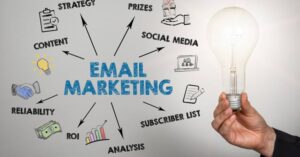
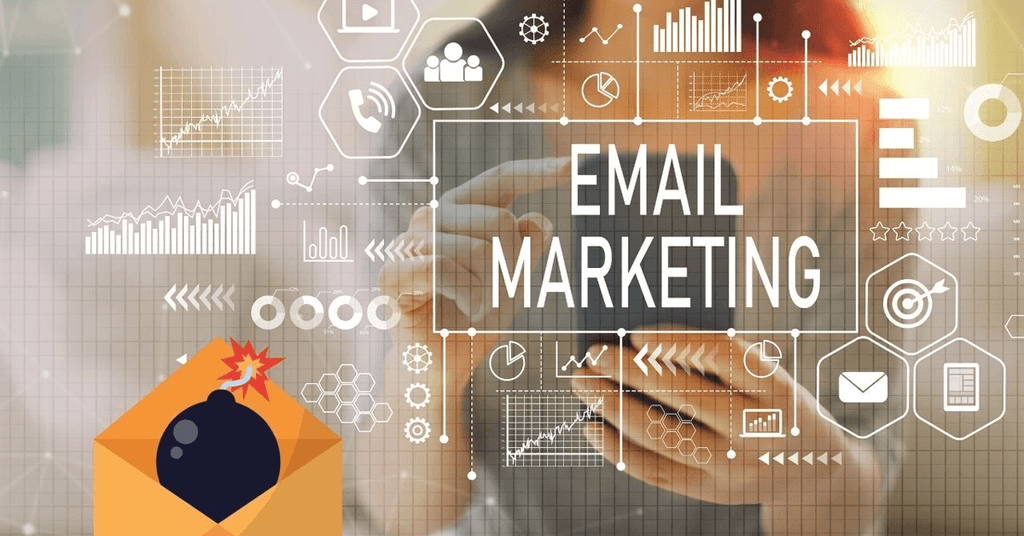
Email marketing is a digital marketing method that uses email to communicate with an audience for purposes such as education, relationship building, customer retention, and promotion.
Businesses may send newsletters, product updates, welcome emails, special offers, educational resources, or messages triggered by specific customer actions.
For example, a digital marketing agency could send subscribers practical advice about SEO, social media advertising, and website development. An online store might send product updates or order-related messages to its customers.
The objective is to deliver relevant information to the right people at an appropriate time.
How Does Email Marketing Work?
An email marketing campaign generally involves several steps.
1. Build an Email List Responsibly
Start by collecting email addresses from people who have a legitimate reason to hear from your business.
You might offer a newsletter, a useful downloadable resource, or updates about your products and services.
Explain what subscribers can expect and follow applicable consent, privacy, and marketing requirements.
Avoid purchasing random email lists or adding people without appropriate permission.
2. Choose an Email Marketing Platform
An email marketing platform helps you manage subscribers, create messages, send campaigns, and review performance.
Depending on the platform, features may include contact segmentation, automated workflows, templates, signup forms, and reporting.
Choose a platform based on your audience size, budget, technical needs, and required features.
3. Segment Your Audience
Not every subscriber has the same interests.
Segmentation allows you to group subscribers using appropriate information, such as their selected preferences, customer status, or engagement with your content.
For example, subscribers interested in SEO could receive SEO-focused educational emails, while subscribers interested in paid advertising could receive content about campaign management.
Use only information you have a legitimate reason to collect and process.
4. Create Valuable Email Content
Your email should have a clear purpose.
It might teach a useful skill, announce a product update, share a blog post, or invite subscribers to explore a service.
Use a recognizable sender name, a relevant subject line, readable formatting, and a clear call to action when appropriate.
Avoid misleading subject lines or excessive promotional language.
5. Send and Measure Your Campaign
After reviewing your message, send it to the appropriate audience.
Then evaluate relevant metrics, such as delivery, clicks, conversions, unsubscribes, and complaints.
Open rates can provide limited directional information, but privacy features and automated activity may affect their accuracy. Use multiple indicators rather than relying on one metric.
Main Types of Email Marketing
Welcome Emails
Welcome emails introduce your business to new subscribers and explain what they can expect from future messages.
They are a useful opportunity to establish trust and set clear expectations.
Newsletter Emails
Newsletters share regular updates, educational articles, industry insights, or company news.
Bloggers can use newsletters to bring subscribers back to new content.
Promotional Emails
Promotional emails communicate relevant offers, discounts, product launches, or service announcements.
Promotions should be truthful and appropriate for the recipients.
Educational Emails
Educational emails provide tutorials, tips, checklists, and other useful resources.
For example, a digital marketing blog could share a short lesson about improving website content or planning a social media campaign.
Automated Emails
Automated emails are sent in response to defined triggers or schedules.
Examples include welcome sequences, reminders, and certain post-purchase communications.
Automation can save time, but workflows should be tested and kept relevant.
Transactional Emails
Transactional emails communicate important actions or events, such as order confirmations, password resets, or shipping updates.
These messages have a different purpose from ordinary promotional campaigns and may be subject to different legal requirements.
Benefits of Email Marketing
Email marketing can support several business objectives.
Direct communication: It provides a way to communicate with subscribers without relying entirely on social media algorithms.
Relationship building: Regular, useful messages can help maintain contact with your audience.
Personalization: Relevant content can be tailored to subscribers’ stated preferences or appropriate customer information.
Automation: Certain communications can be triggered automatically, reducing repetitive work.
Performance measurement: Clicks, conversions, unsubscribes, and other metrics can help you evaluate campaigns.
Content distribution: Bloggers can use email to share new articles with interested readers.
However, email marketing does not guarantee sales or engagement. Results depend on audience relevance, message quality, deliverability, timing, and the value of the offer.
Common Email Marketing Mistakes
Beginners often make avoidable mistakes, including:
- Sending messages without appropriate permission.
- Buying email lists.
- Sending too many promotional emails.
- Using misleading subject lines.
- Ignoring mobile readability.
- Failing to provide a clear unsubscribe option.
- Sending irrelevant content to every subscriber.
- Measuring success only through open rates.
A responsible approach focuses on trust, relevance, and measurable outcomes.
How to Get Started With Email Marketing
Follow these steps to build a basic email marketing process:
- Define your primary objective.
- Identify the audience you want to reach.
- Choose a suitable email marketing platform.
- Create a signup form with clear expectations.
- Develop a useful welcome email.
- Plan relevant content for future messages.
- Test your emails on different devices.
- Monitor clicks, conversions, unsubscribes, and complaints.
- Improve your approach using the results.
Start with a manageable schedule instead of sending messages simply to maintain frequency.
Conclusion
Email marketing is a practical way to educate, inform, and engage an audience that has chosen to hear from your business.
Successful campaigns begin with a relevant audience, useful content, responsible list management, and a clear objective. By measuring meaningful results and continuously improving your approach, you can develop an email marketing strategy that supports your wider digital marketing goals.